
PRINT AS PDF
Back in May, I briefly discussed how Artificial Intelligence (AI) could create photorealistic images. This is a second short piece that goes beyond the first article. In this piece, I provide the three stages: Stage 1: Museum object; Stage 2: The ability to create photorealistic versions of museum objects and then reimagine them across time periods can be valuable because it helps viewers see both difference and continuity. Artifacts and paintings often come to us shaped by historical distance, cultural distance, material damage, museum display, and the unfamiliarity of past clothing, customs, and artistic conventions.
The first object is “Horse and Female Rider” from the Tang Dynasty (618-907), late 7th-first half of the 8th century. The object is earthenware with three-color glaze and pigment. The second object is Claude Monet’s “The Stroller (Suzanne Hoschedé), 1887. Both objects were photographed at the Metropolitan Museum of Art on July 4, 2026.
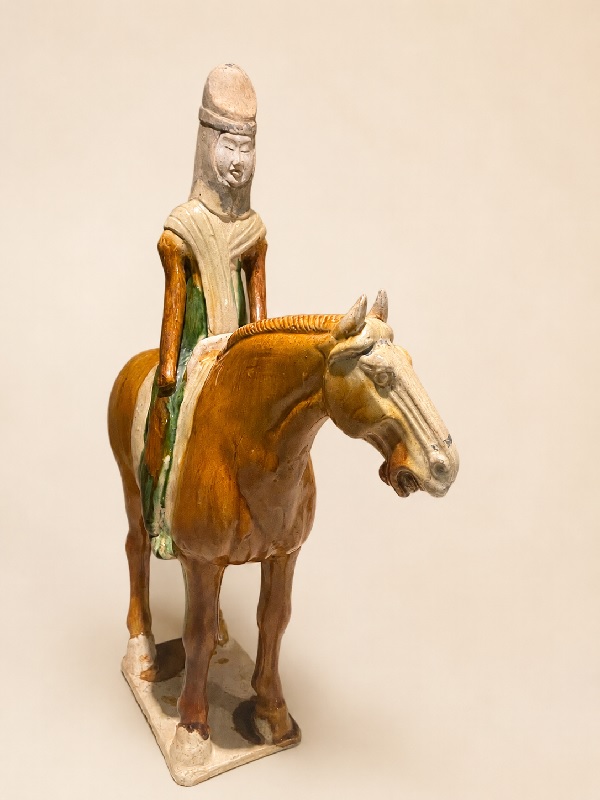
Original object
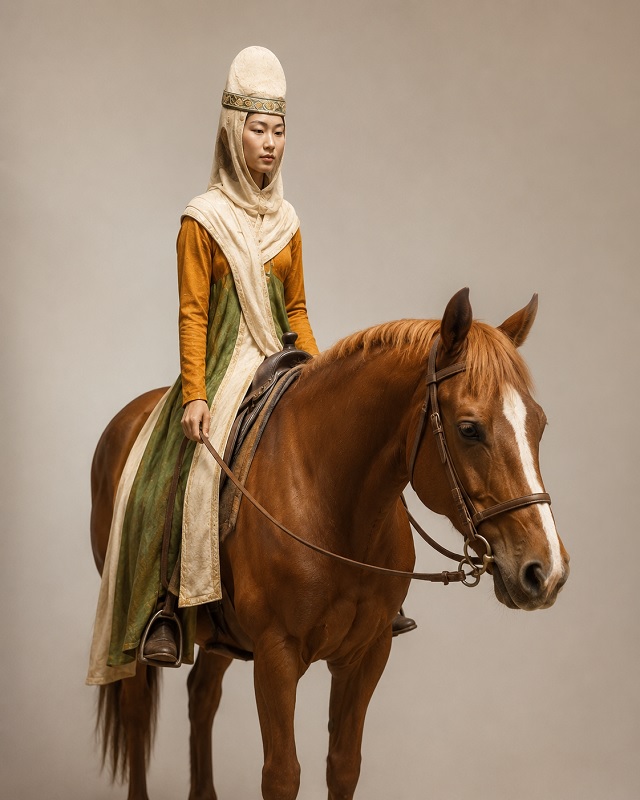
Photorealistic version
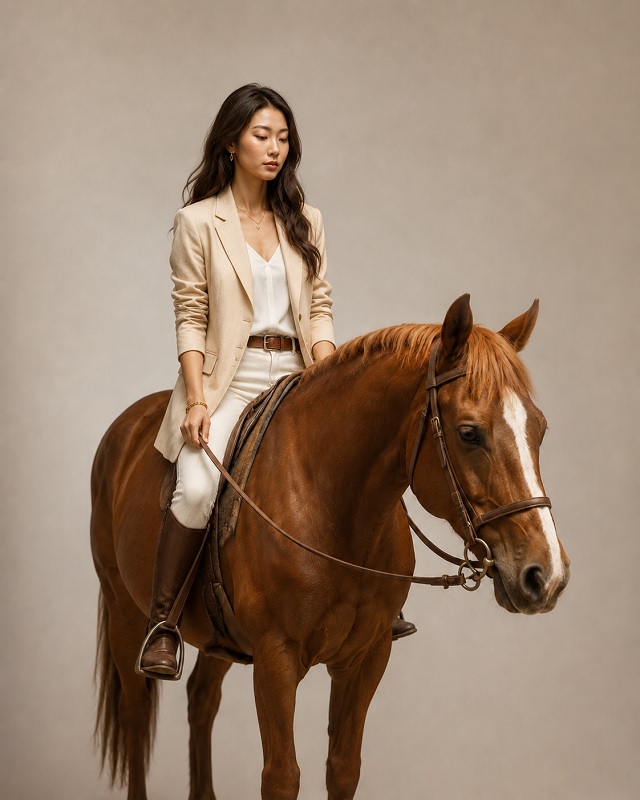
21st Century photorealistic version
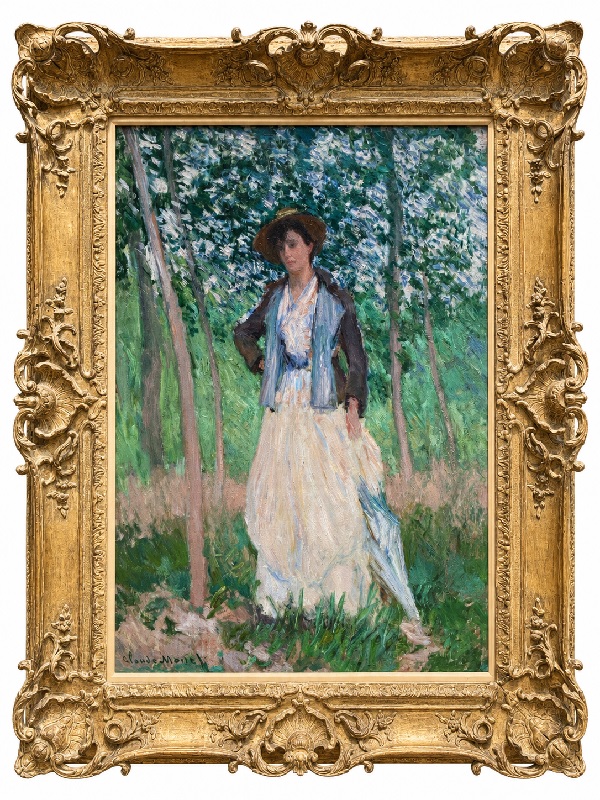
Original object
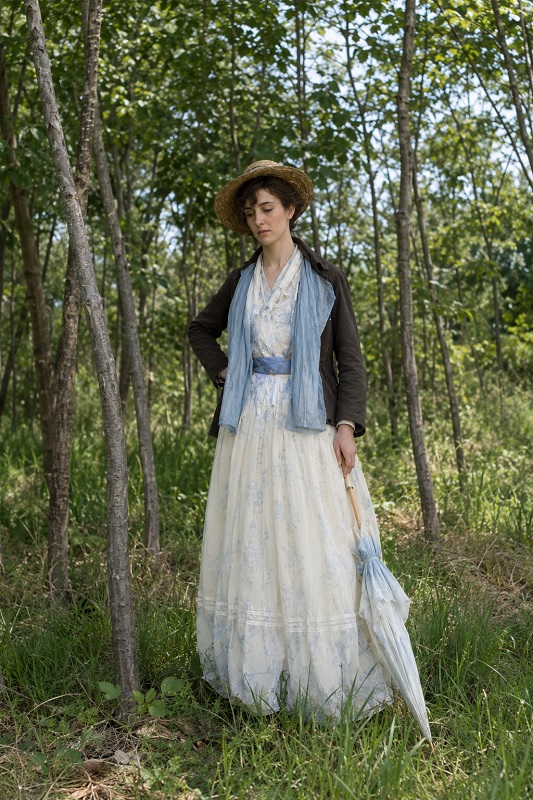
Photorealistic version
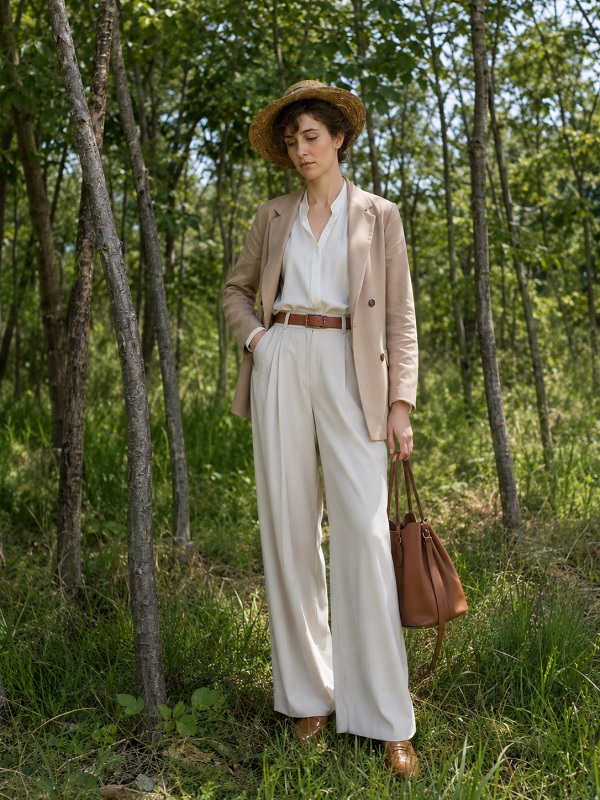
21st Century photorealistic version
AI’s ability to move from museum object to photorealistic reconstruction to contemporary reimagining gives viewers another way to encounter the past, not as something distant, frozen, or unreachable, but as something once lived. The Tang Dynasty rider and Monet’s Suzanne Hoschedé emerge from very different worlds, yet both point to the same enduring truth. Behind every artifact, portrait, garment, gesture, and pose was a human story shaped by its own time. By reimagining these works across time periods, we can better see how culture changes, how context transforms meaning, and how the humanity preserved in art continues to speak across the centuries.

This entry is licensed under a Creative Commons Attribution-NonCommercial-ShareAlike 4.0 International license.

